2014
Tinyowl · Food · 2015
2014
Hyperlocal, real time
Choice
Chapter 1
We learned about their food journeys, across their lives and through their regular days.
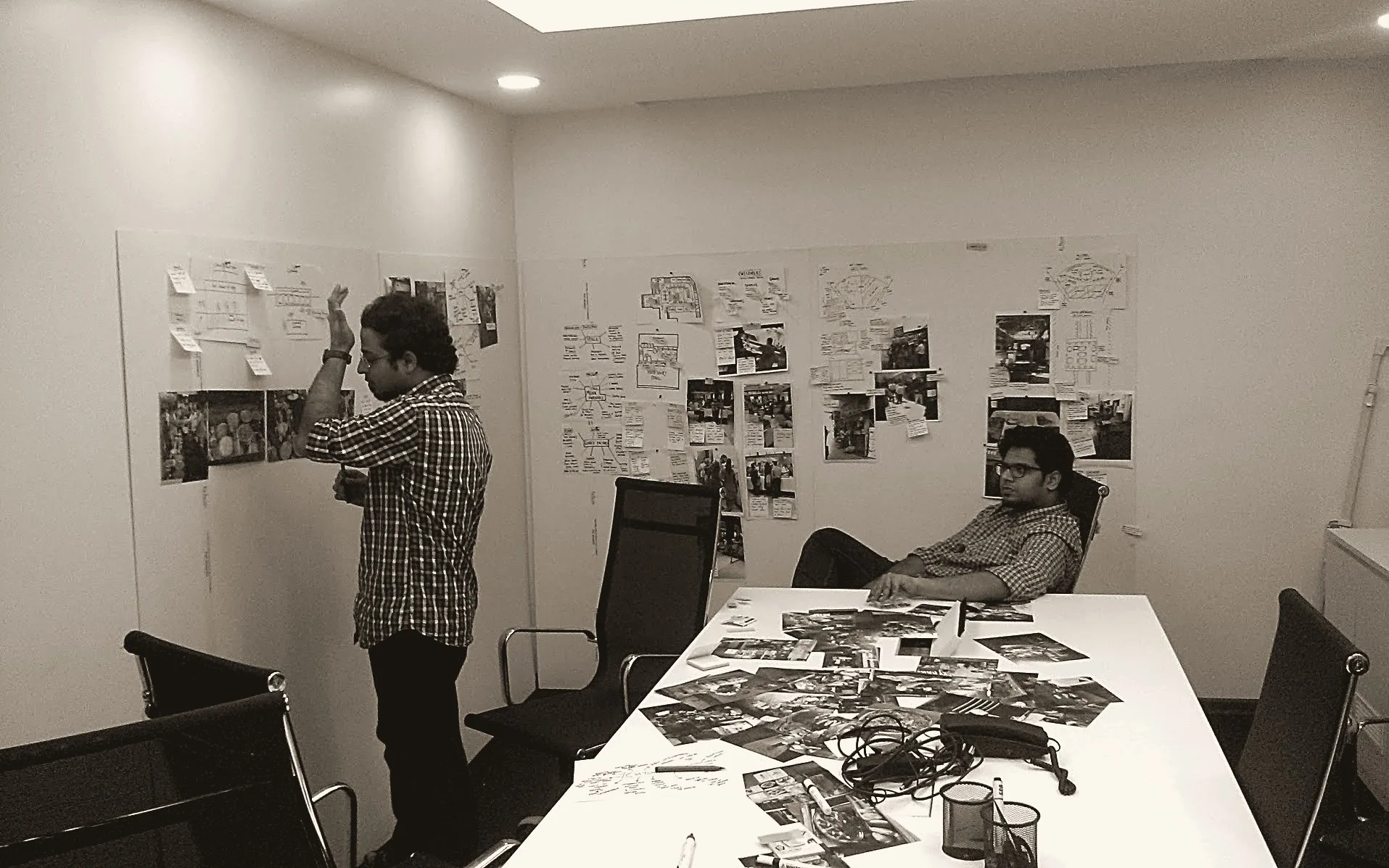
Moments of truth: food courts, office canteens and social gatherings.
The fundamental truth
Hygiene and budget constraints added to it, and both led to guilt-based drop-offs.
Chapter 2
We started with paper prototypes and quick feedback cycles with food-court consumers. The idea was to put the product in the hands of the humblest user.
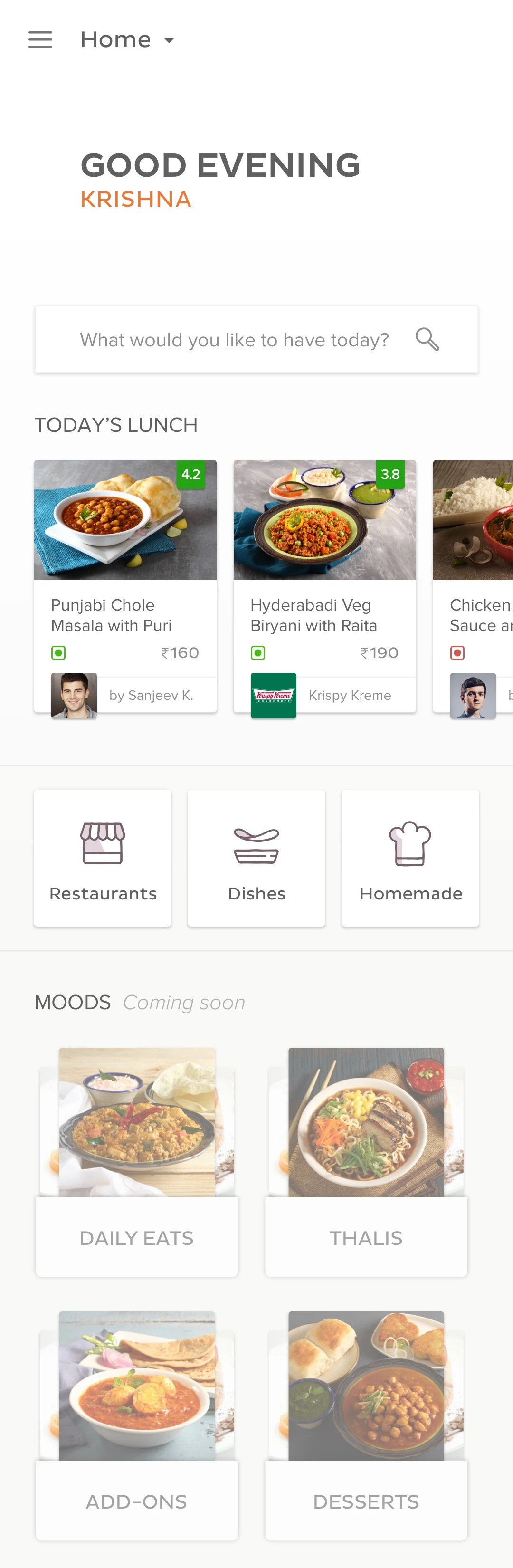

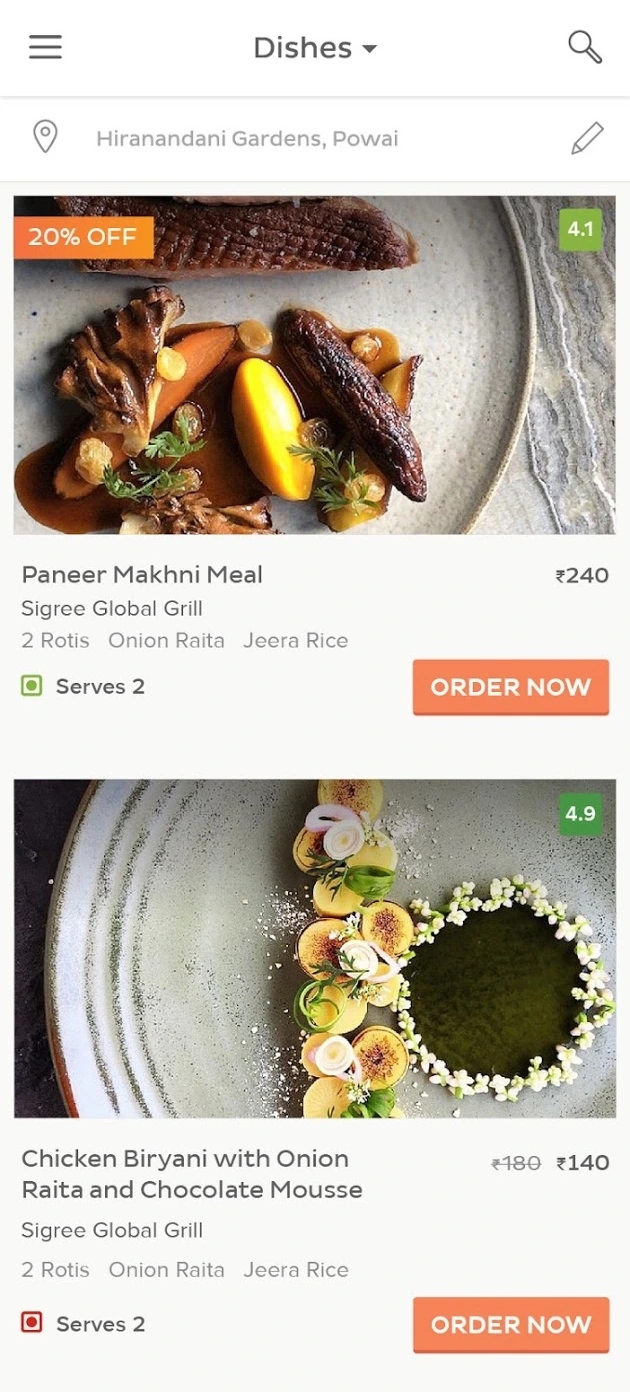
01Too many choices, and too little time.
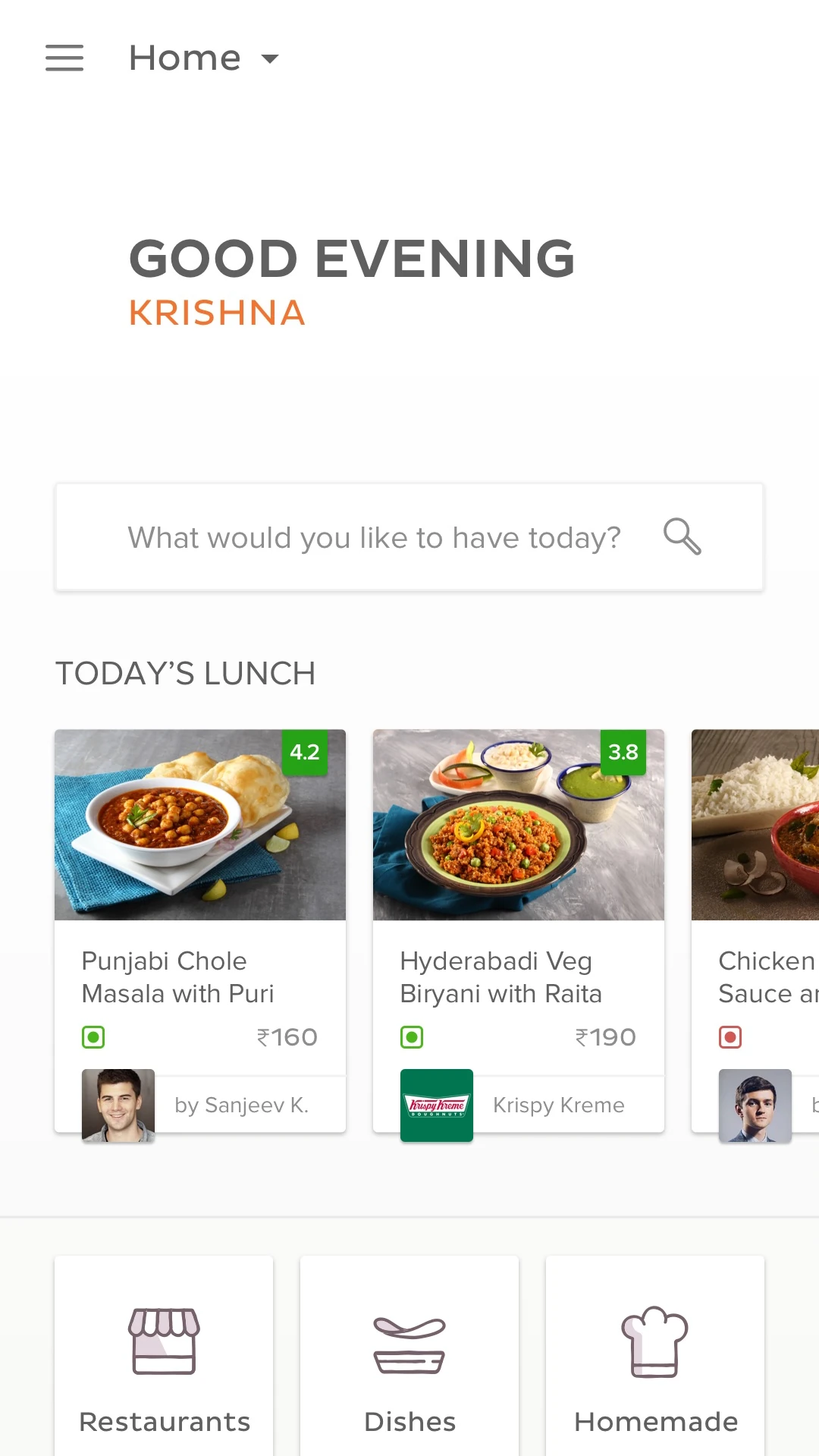
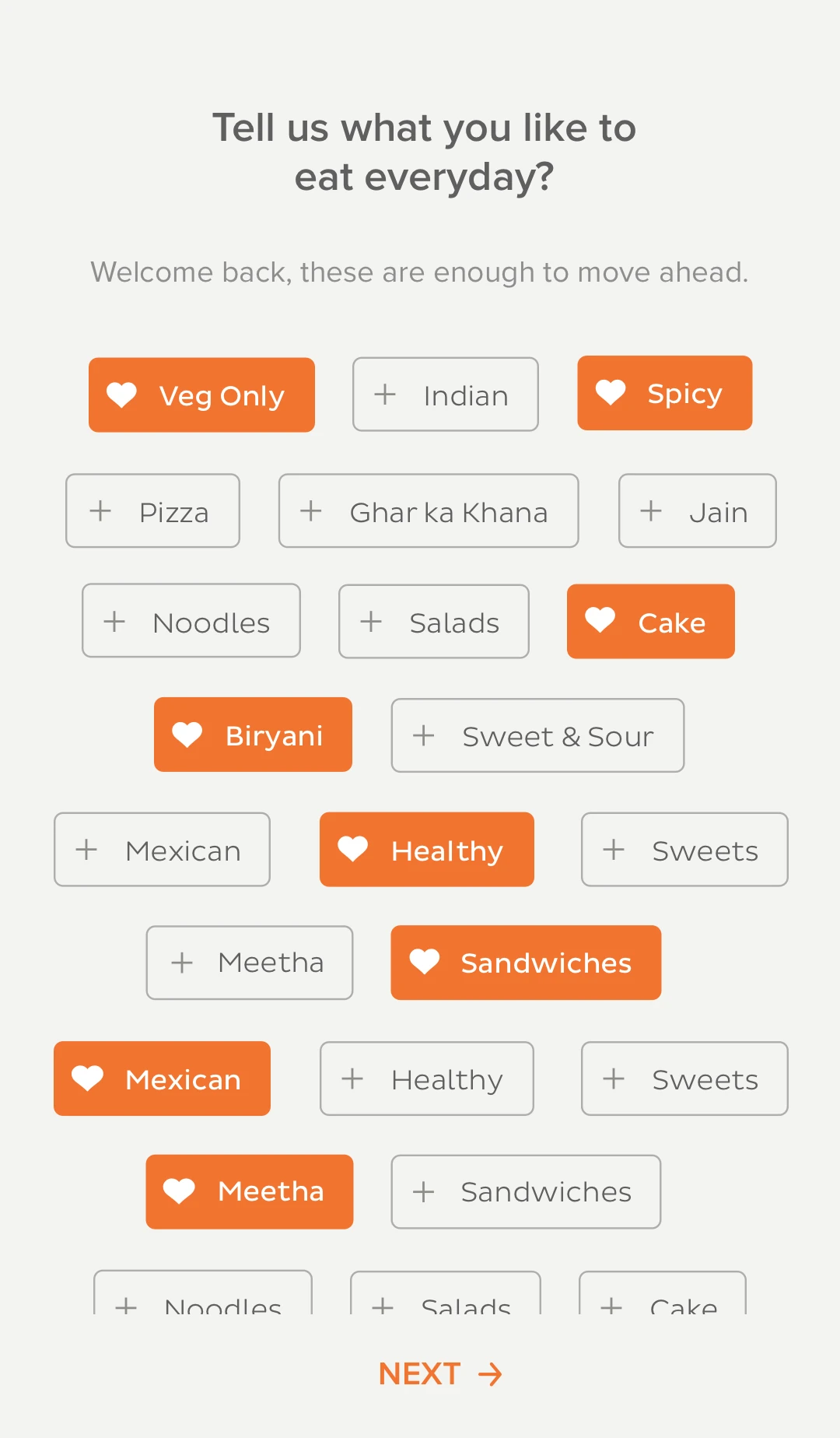
02So we eliminated choices, starting at onboarding.
03Then with behaviour, social tags and ratings.
04Curated, not personalised, so there's always something new.
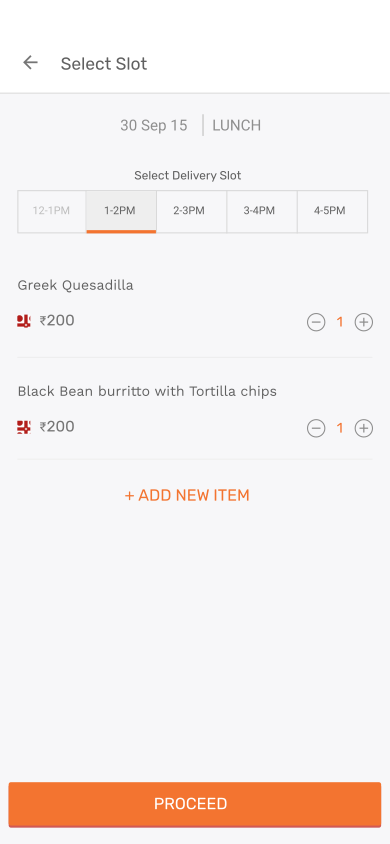
05Two ways in.
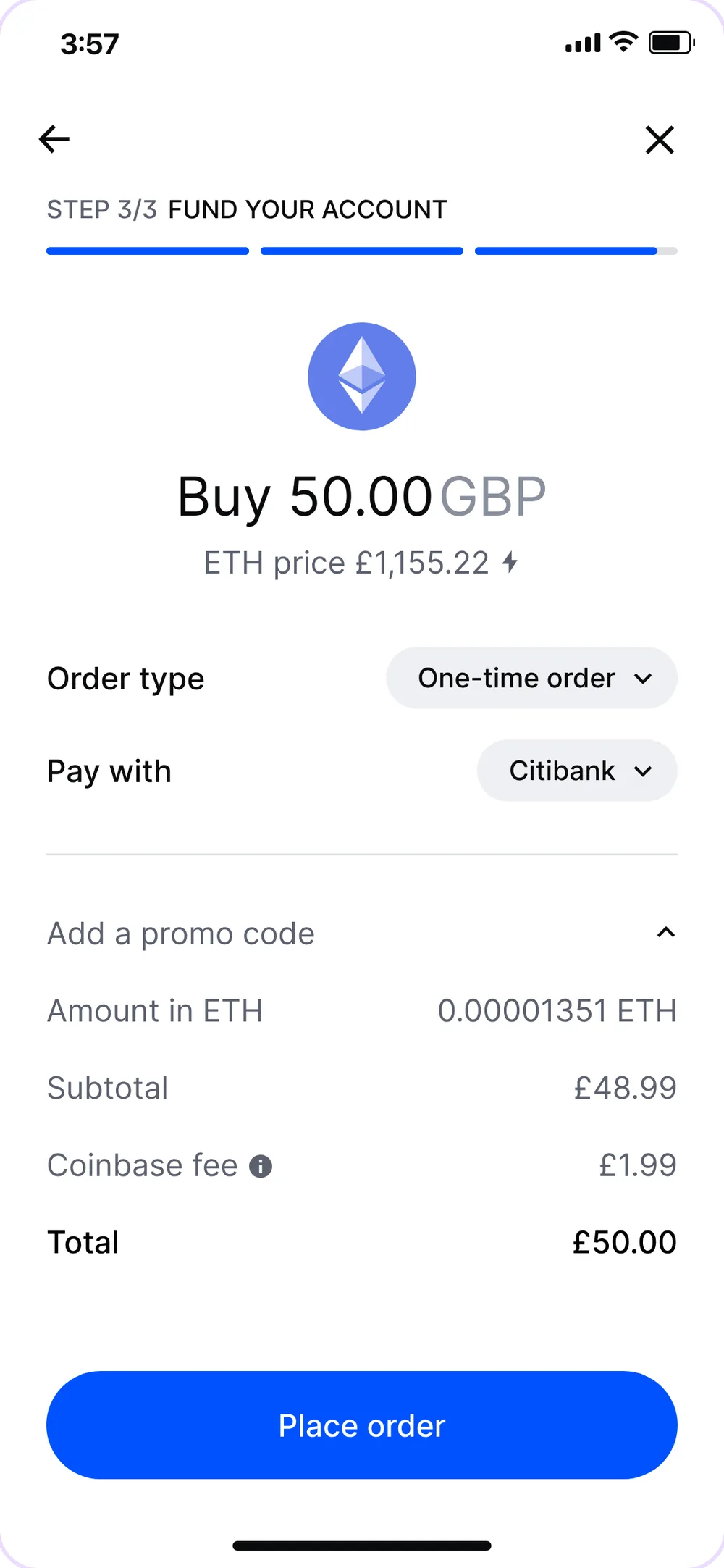
Conversions, as high as
12%
Our highest. By the end of 2015, Tinyowl was regarded as the best user experience in food delivery, across Foodpanda, Zomato and Swiggy.
Chapter 3
Food is an immersive experience. It combines culture, stories and personal reflection around taste, health and happiness, with craft and care from the people who make it.
Personal
Serendipity
Trust
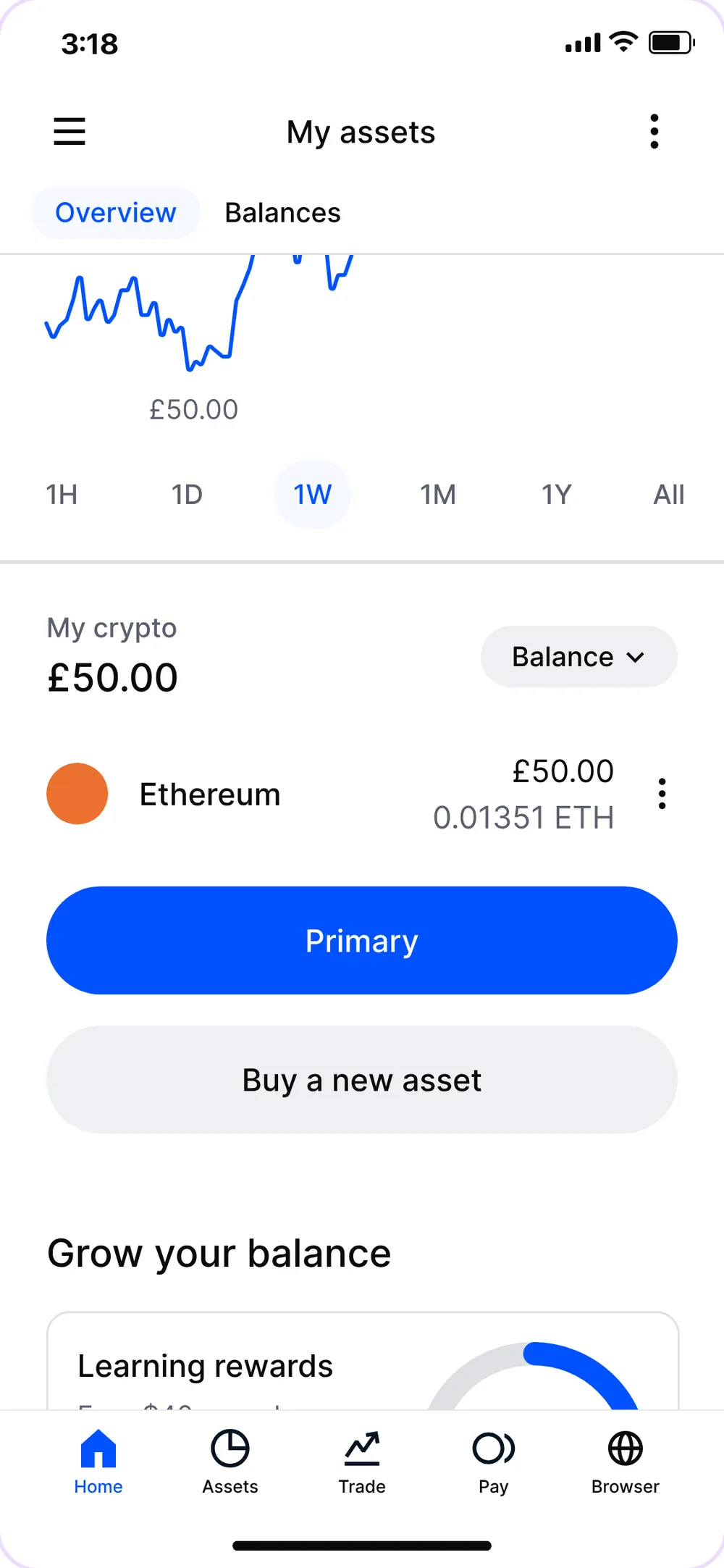
After the magical fridge
Increase in conversions
+22%
Increase in NPS
+29%
Chapter 4
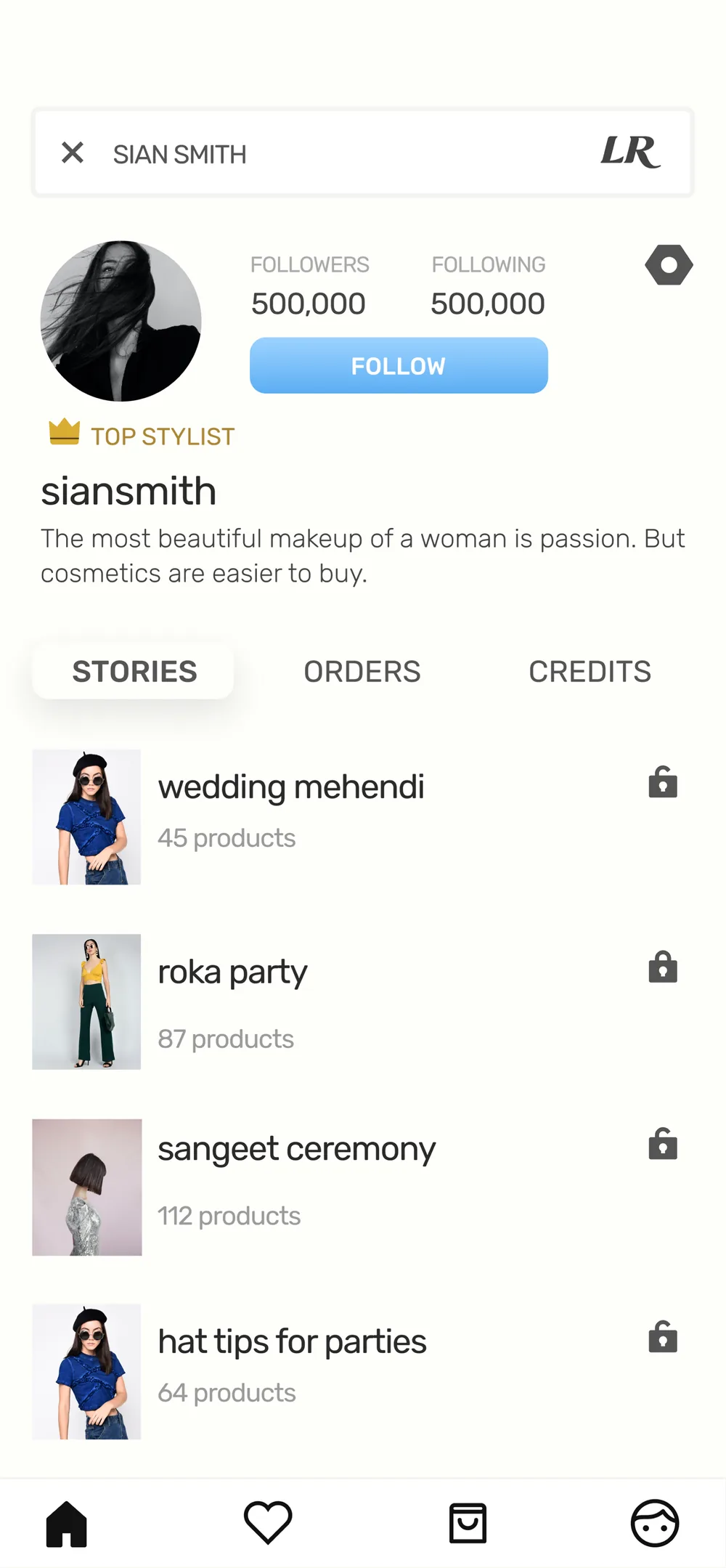
Home food
Restaurant food
In India, food is a battle between home food and restaurant food. From ingredients and care to hygiene in production, food from outside lacked trust, and carried deep anxieties.
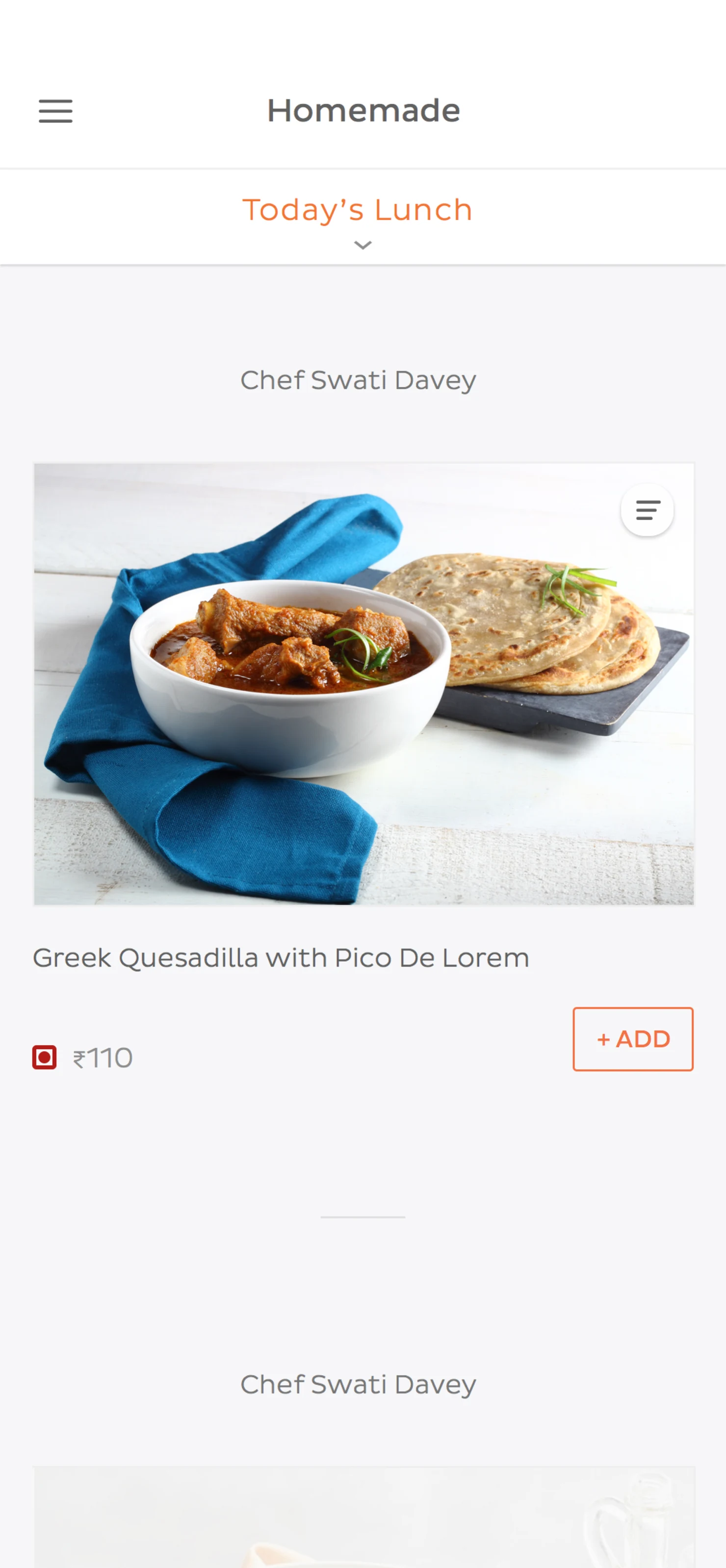
Chefs
Slot
Story
Homemade NPS
+70
Sold out, every single day. The highest NPS the food delivery industry had ever seen.
Chapter 5
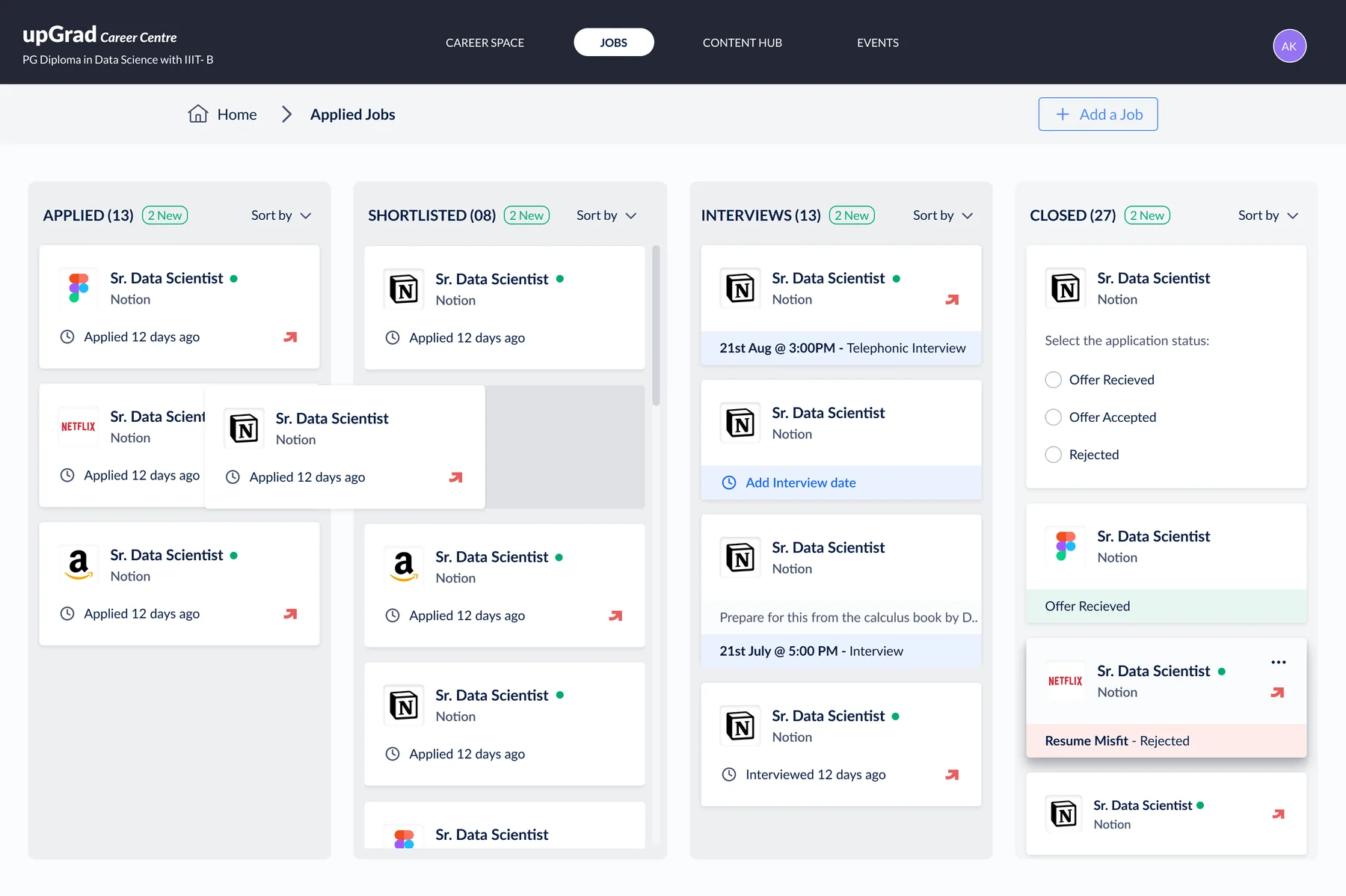
I started with a design team of 4 and scaled it to 40, structured in pods built around consumer touchpoints.
Each pod brought product, design, data science, supply chain and engineering together, pointed at the consumer experience and measured by user delight.
What mattered most was to deeply care for our consumers, to understand their core anxieties and motivations, and to deliver delight.
Our process
The craft
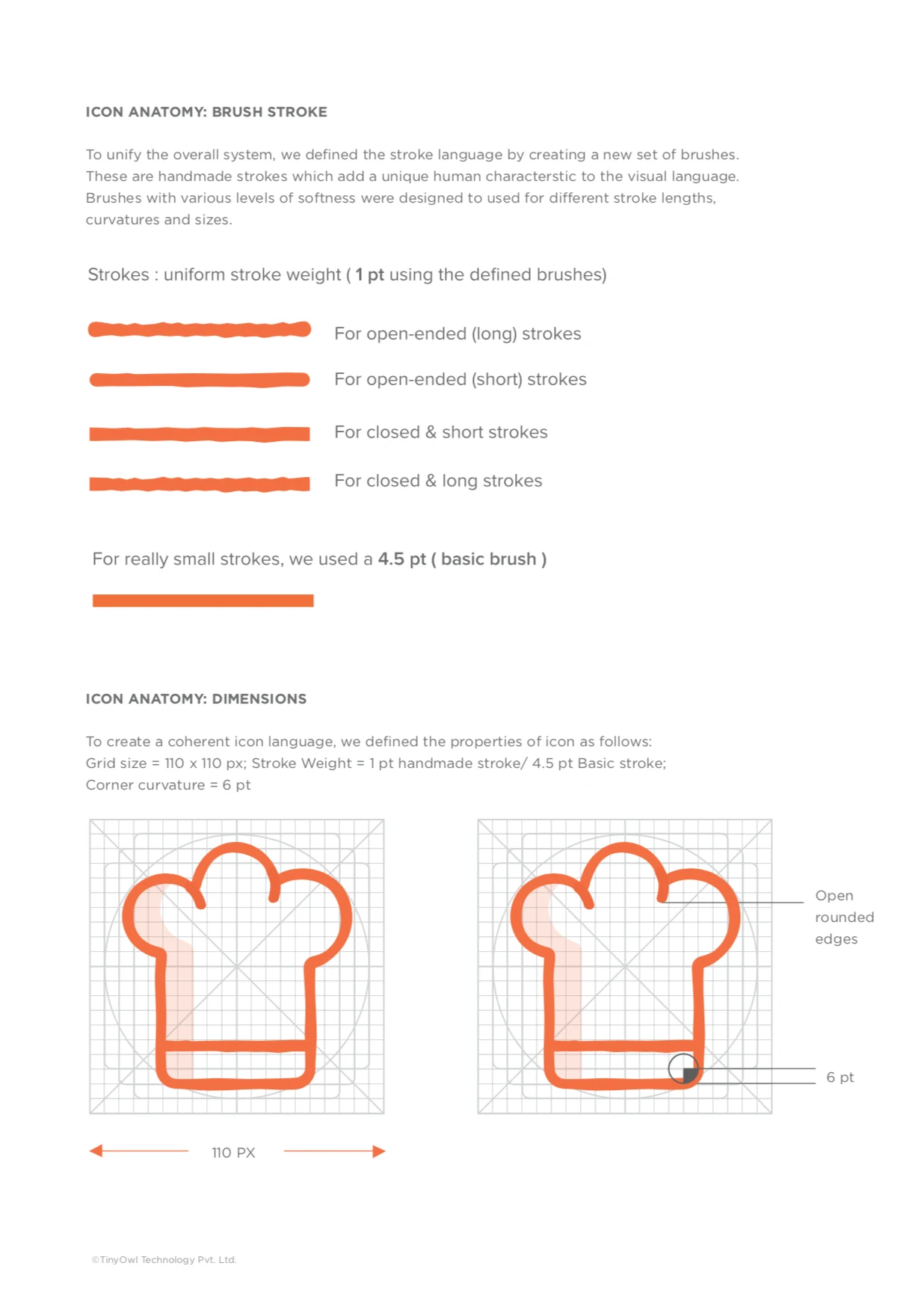
An illustration and icon language unique to Tinyowl, developed twice.
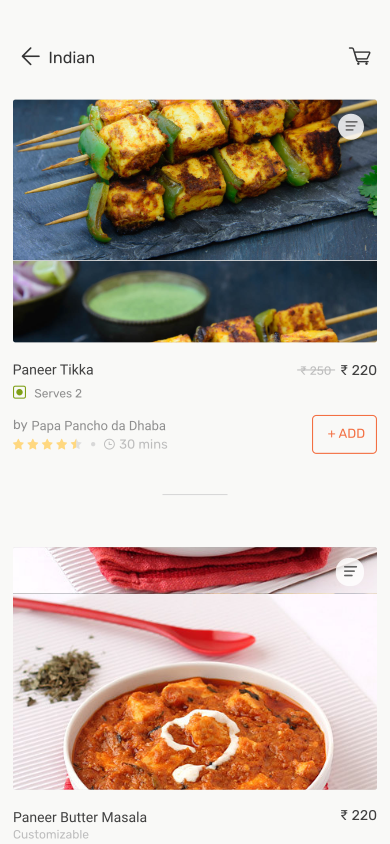
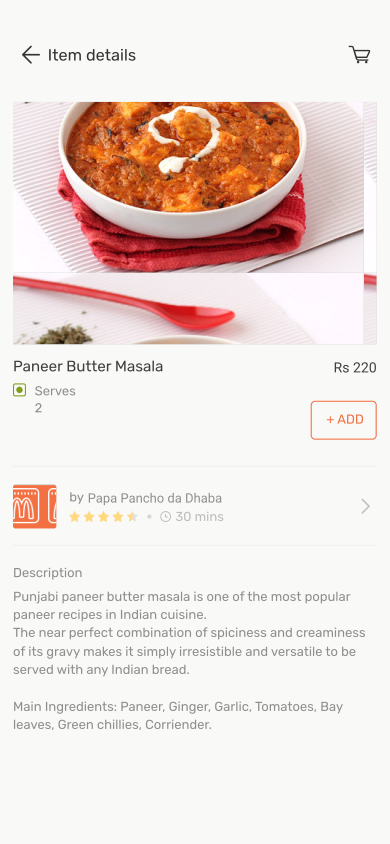
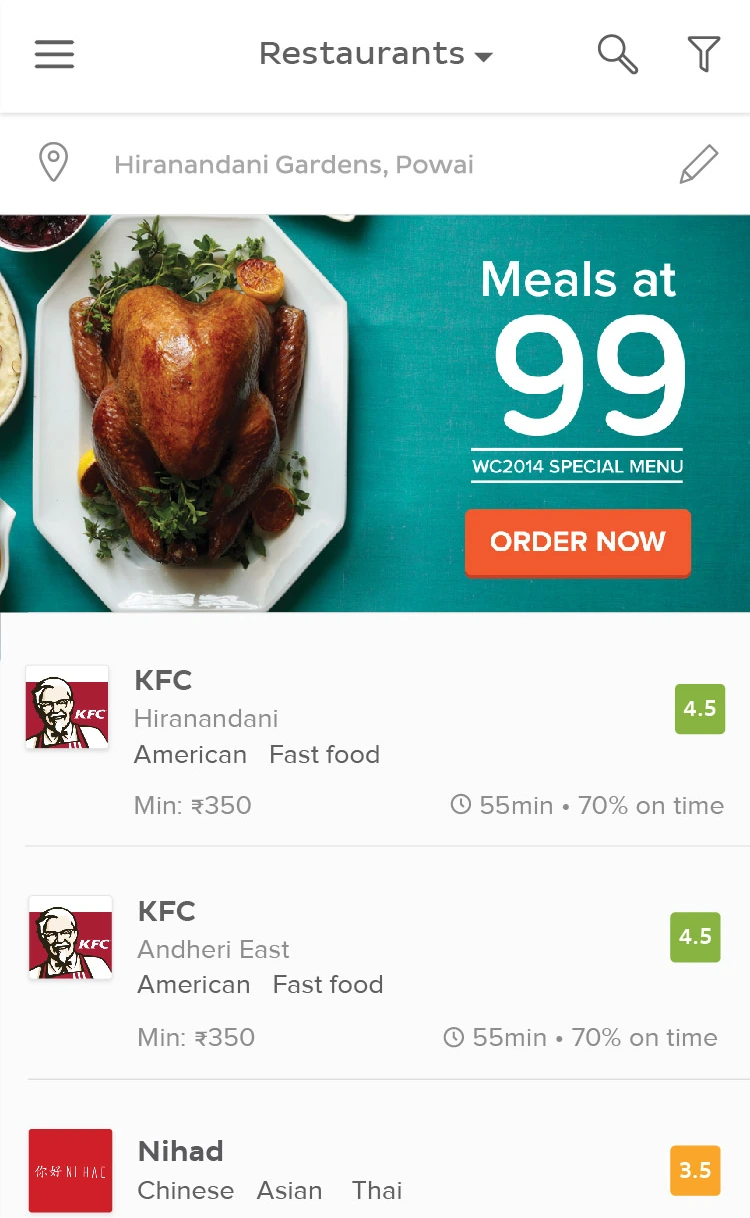
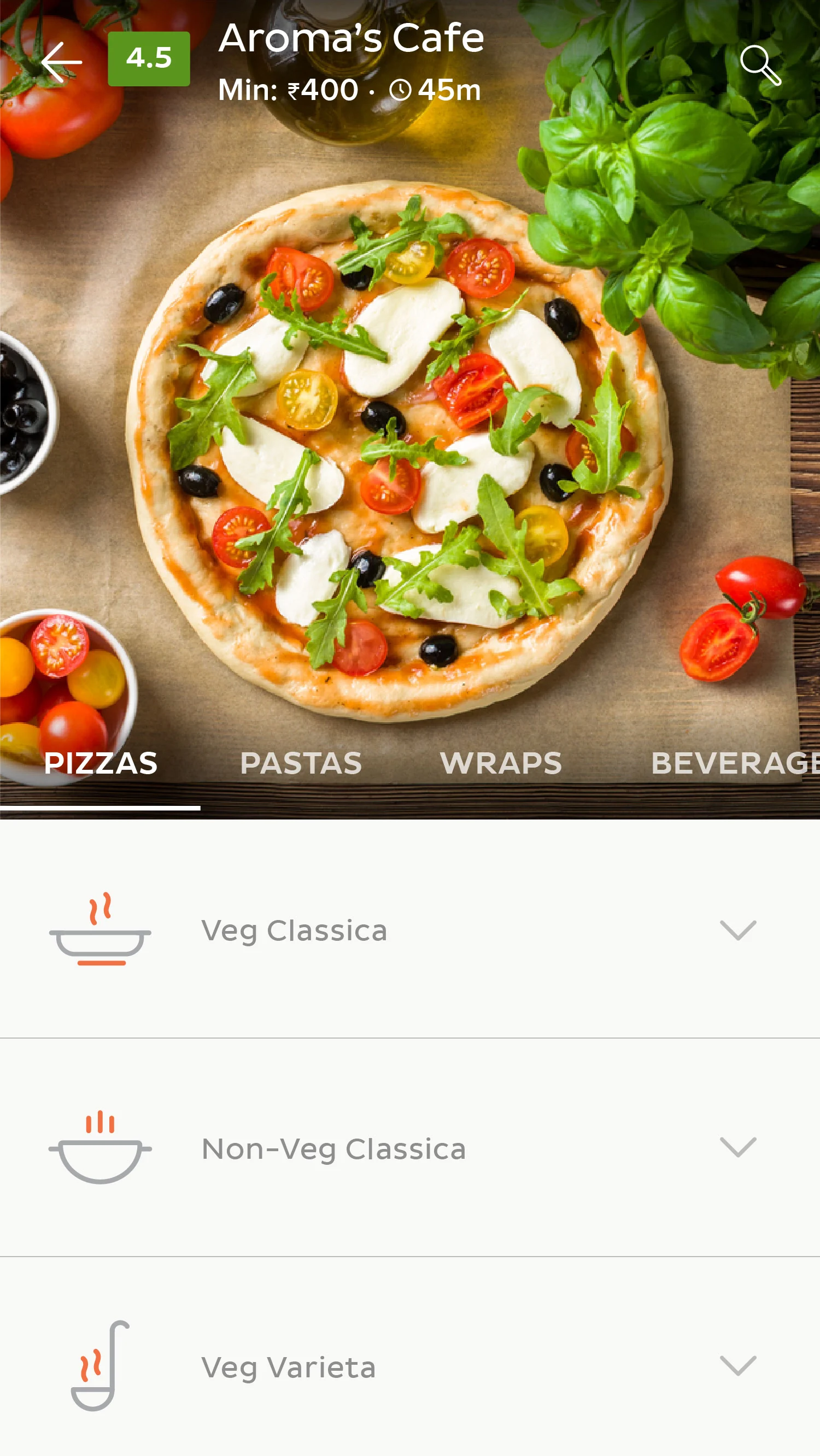
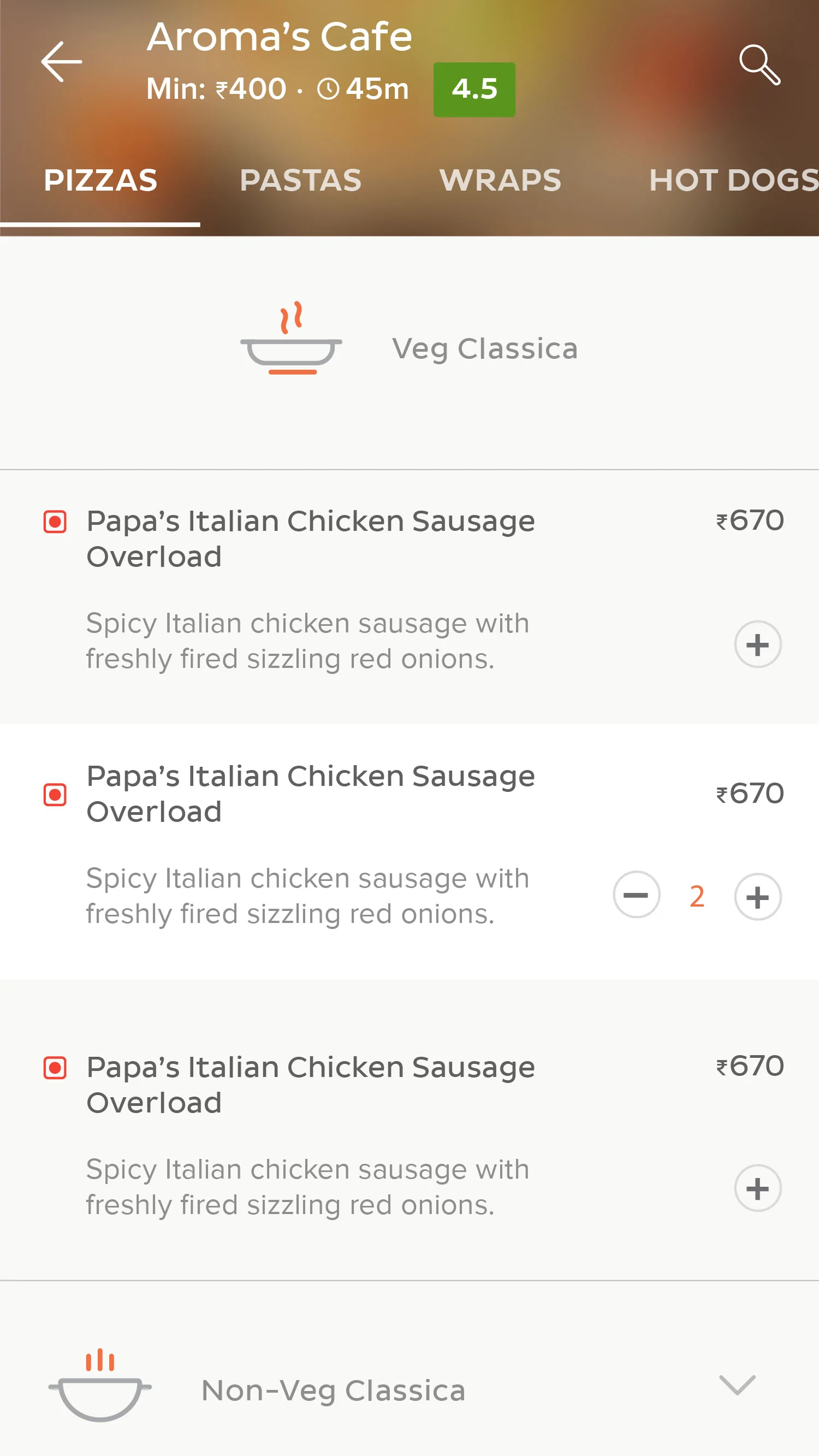
Menu listing, for easier navigation and a quick understanding of each dish.
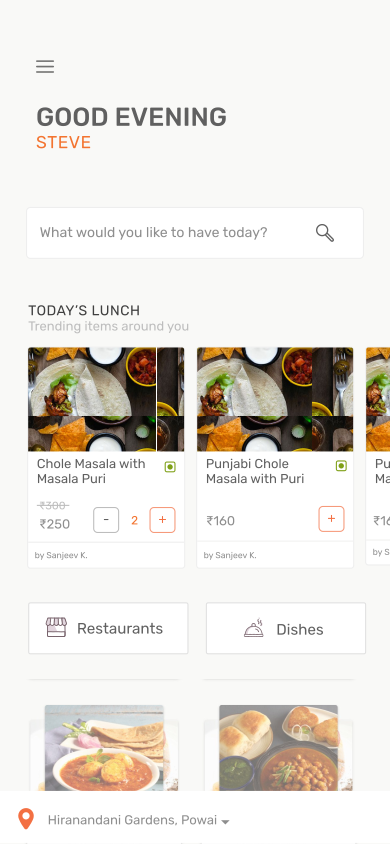
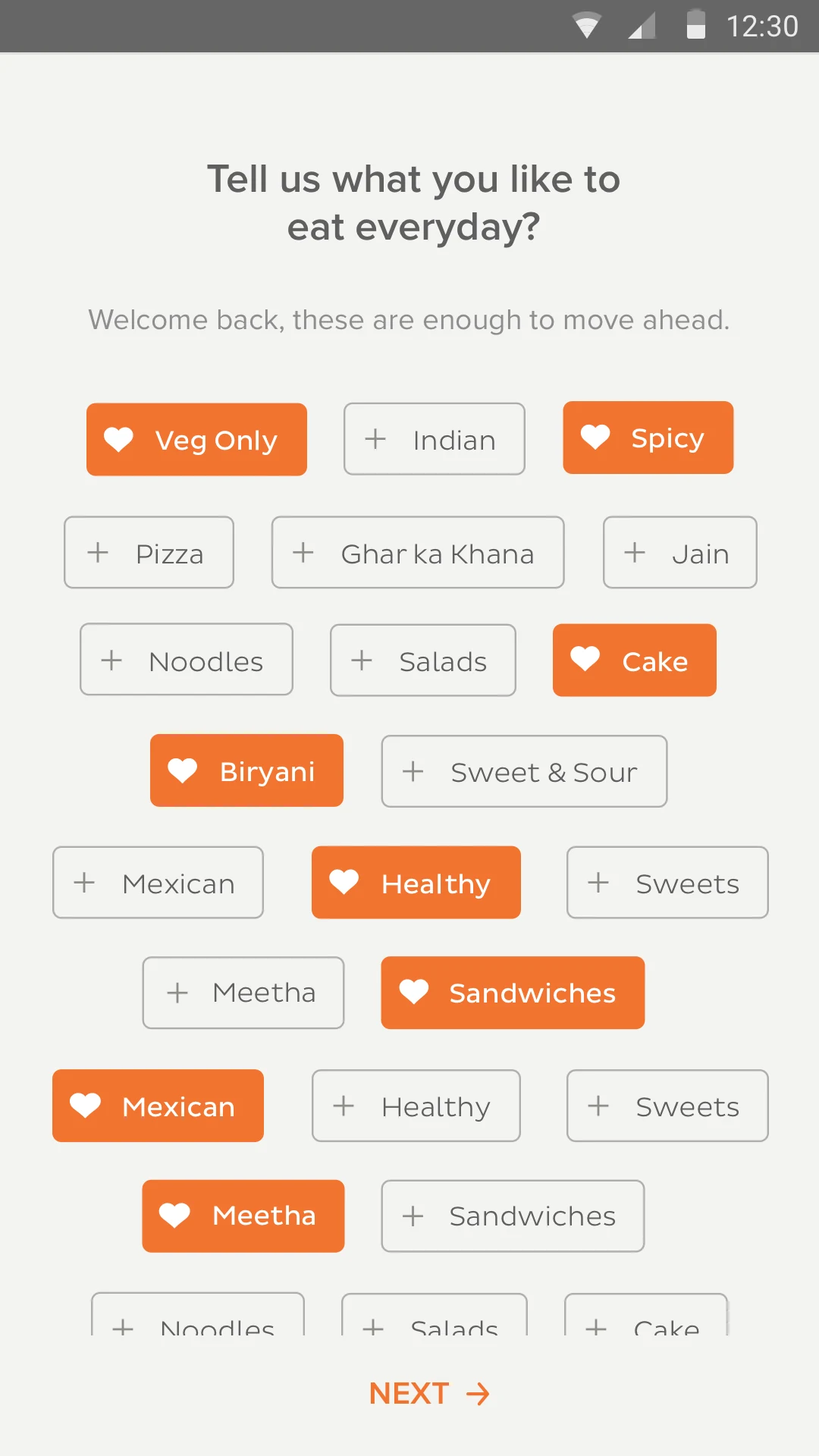
Simple onboarding, with pointed navigation from day one.
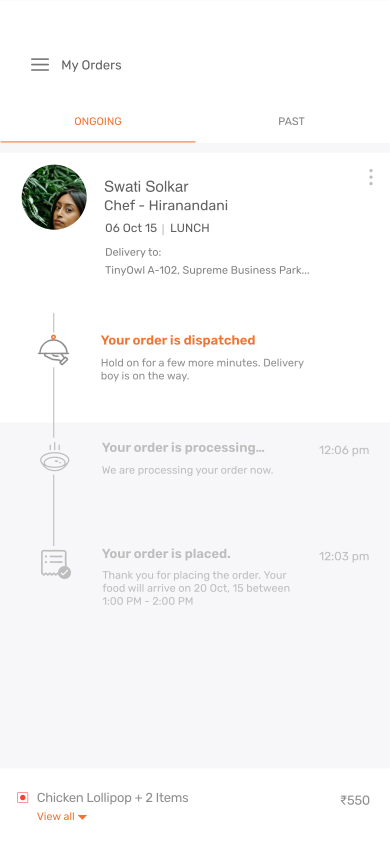
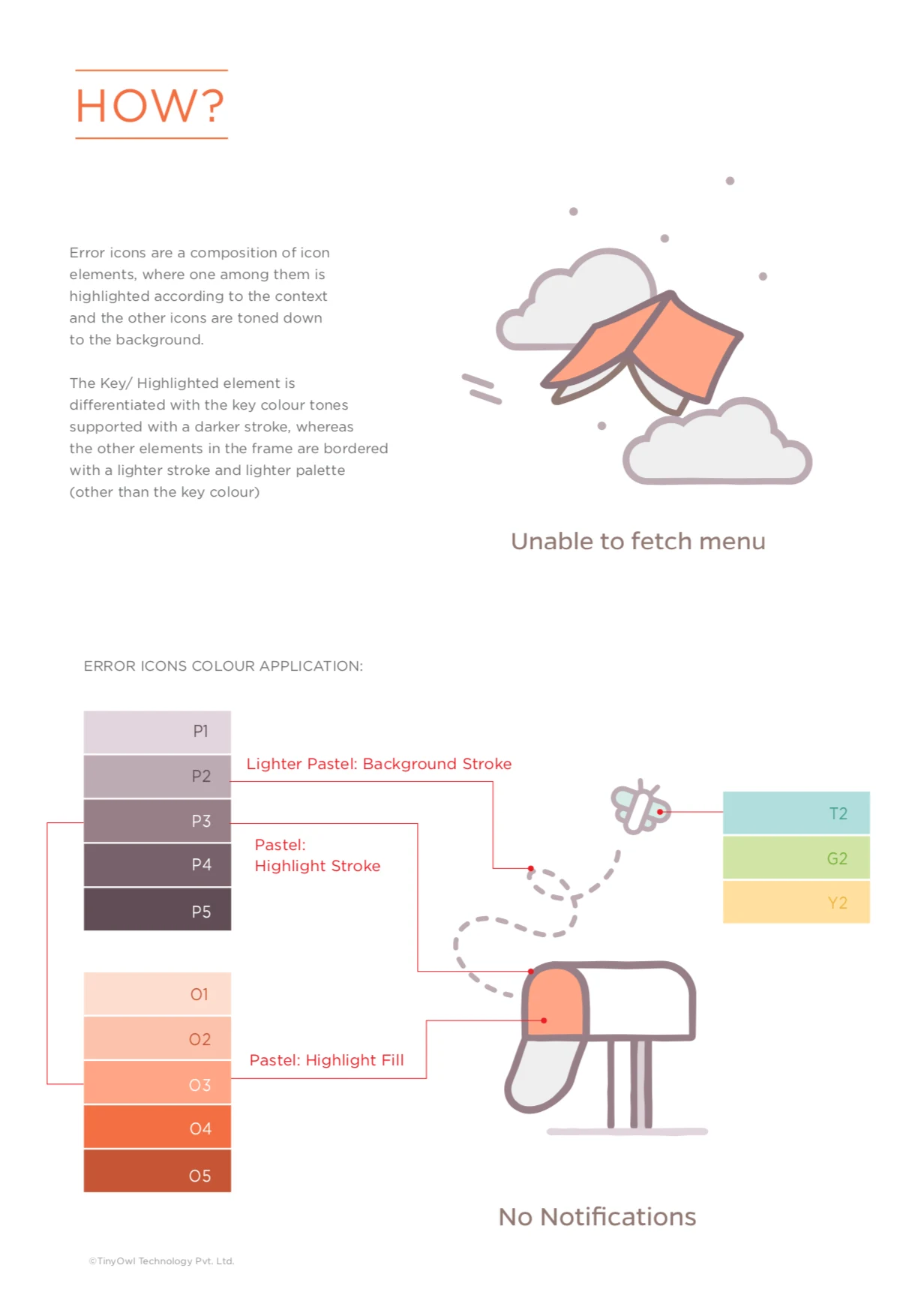
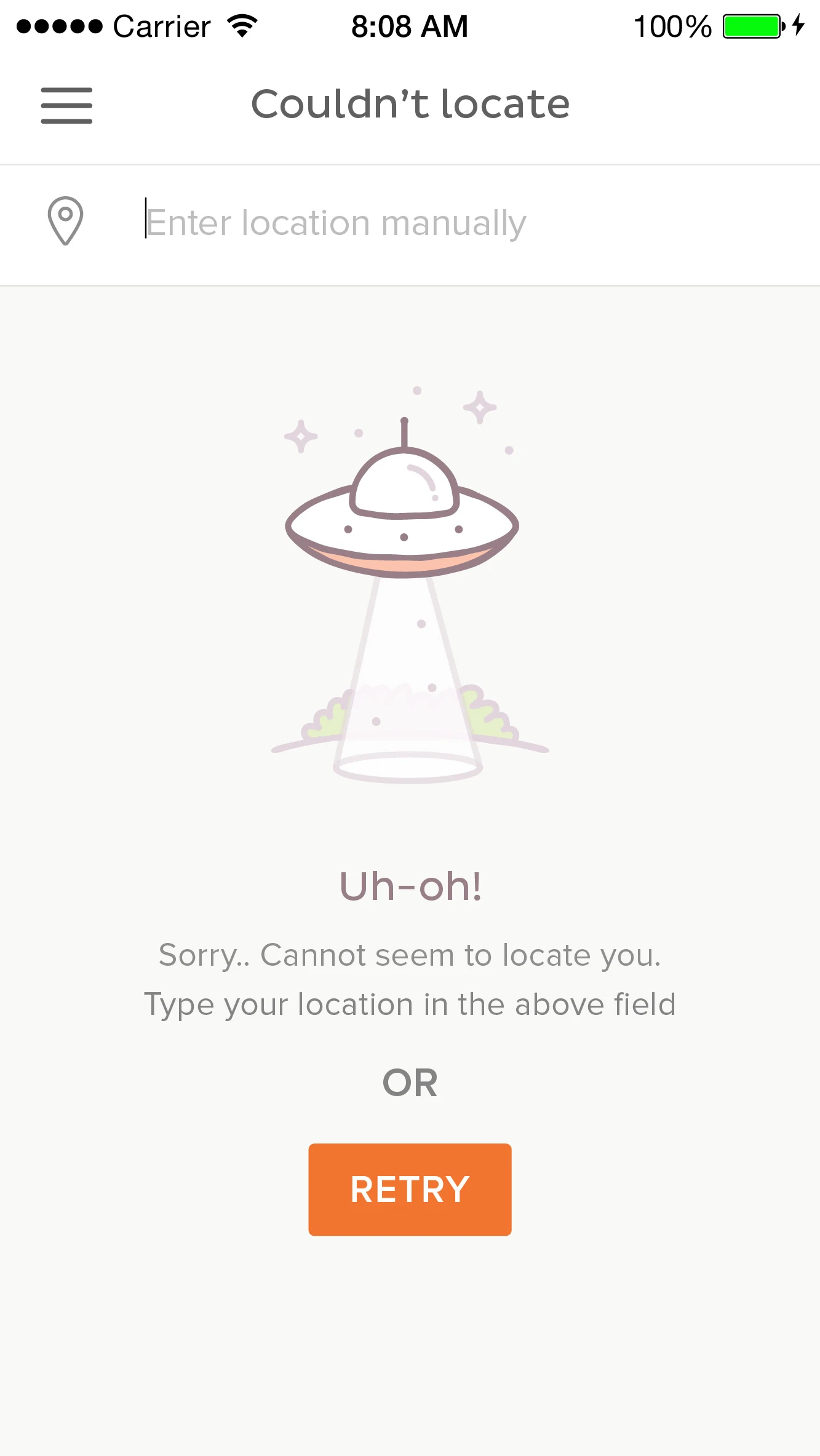
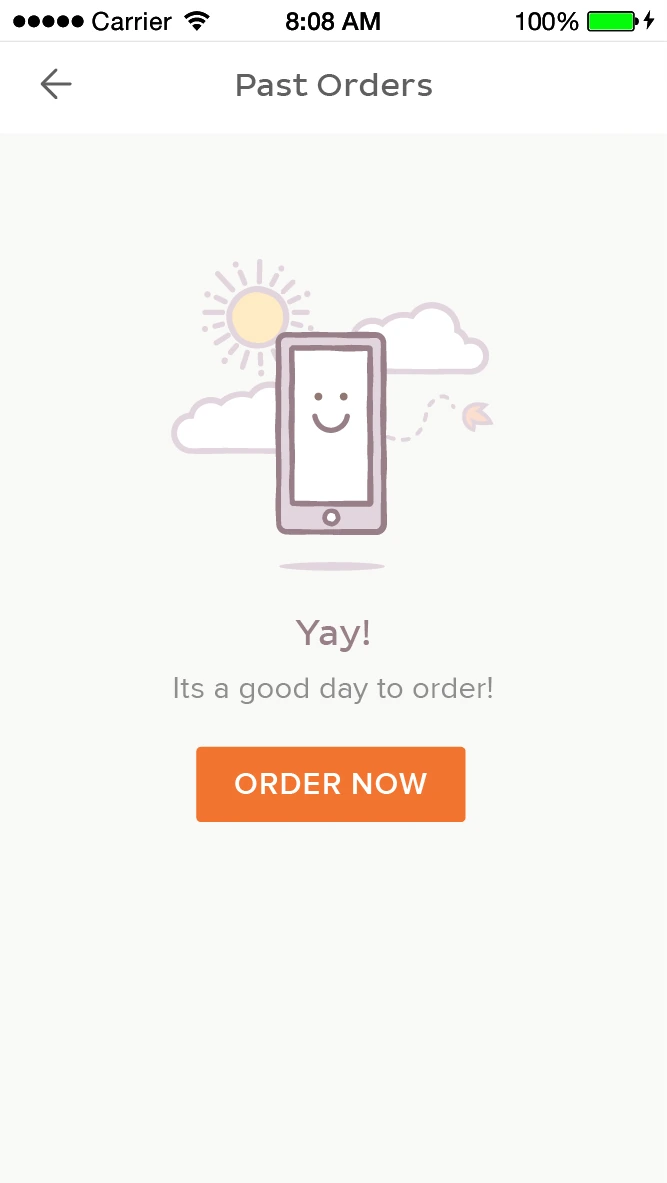
Error states, designed to make people smile.
An illustration and icon language unique to Tinyowl, developed twice.
Menu listing, for easier navigation and a quick understanding of each dish.

Simple onboarding, with pointed navigation from day one.
Error states, designed to make people smile.
It showed that design can be central, not incidental, to business.
We built one of the finest design teams in India, and used design to collaborate better and deliver refined solutions to core problems.
Selected work